
Introduction
An API is how one piece of software talks to another. For most of us that means HTTP: send a request, get a response. No prior experience assumed—we’ll stick to the basics. Frontends, mobile apps, and third-party services all plug in via APIs without touching your source code; knowing how to call and test them is bread-and-butter for full-stack and backend work.
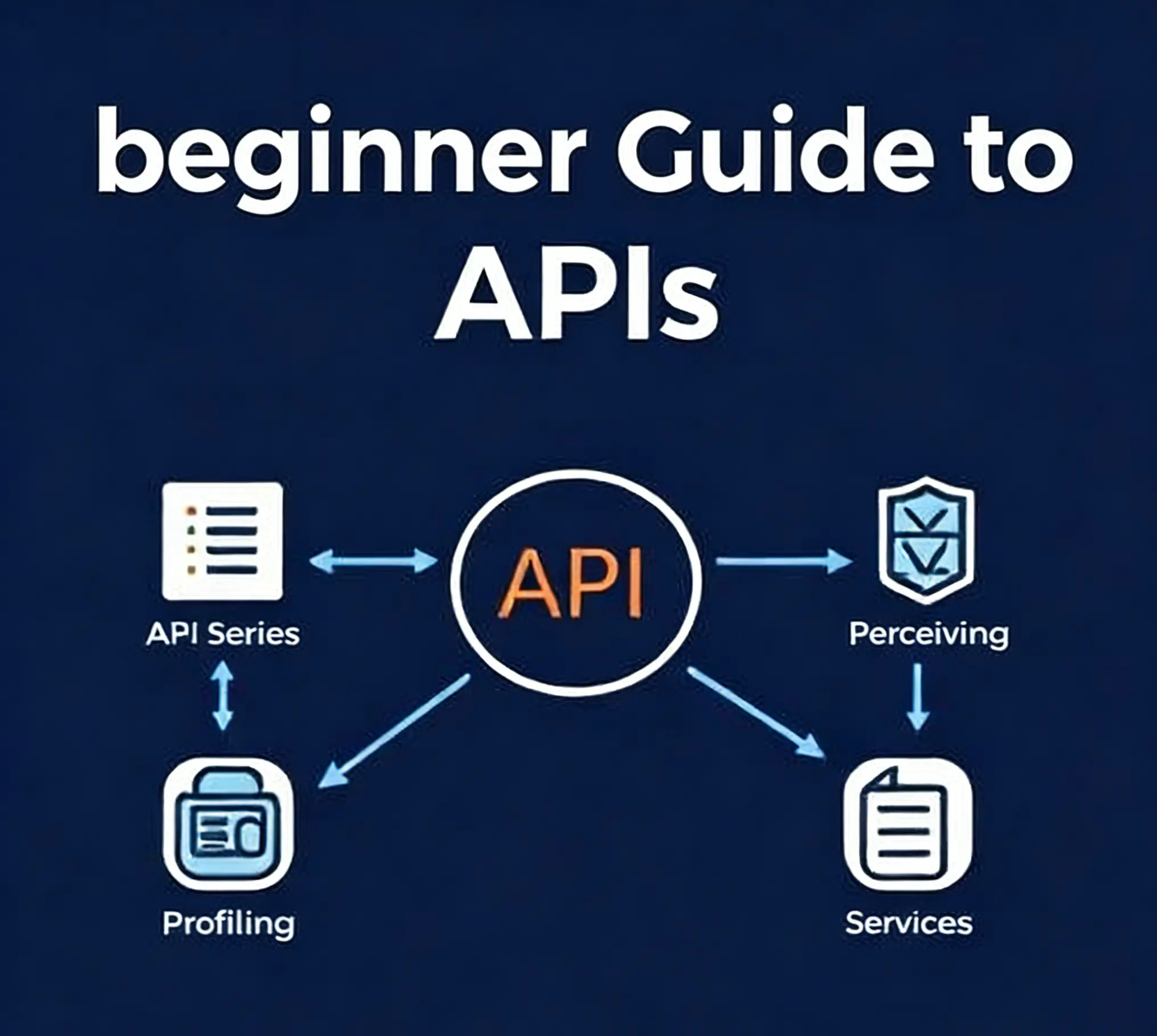
What Is Beginner Guide to APIs
API stands for Application Programming Interface. In web development it usually means an HTTP API: a server exposes endpoints (URLs), and a client sends HTTP requests (GET, POST, etc.) and gets back responses (often JSON). The server might be yours or a third party's. The "interface" is the set of URLs, methods, request/response shapes, and rules (auth, rate limits) you agree on.
Why It Matters
Frontends call backend APIs for data and actions. Mobile apps and other services do the same. Microservices talk over HTTP APIs. Understanding how to call an API (URL, method, headers, body) and how to read the response (status, body) is essential for integration and debugging.
How to Calculate It
| Code | Meaning |
|---|---|
| 200 | OK |
| 201 | Created |
| 400 | Bad Request |
| 404 | Not Found |
| 500 | Internal Server Error |
Real-Life Example
Fetching weather: GET https://api.example.com/weather?city=London. You get back 200 and a JSON object with temperature and conditions. In JavaScript: const res = await fetch(url); const data = await res.json();. You'd check res.ok or res.status before using data. Creating a resource: POST the same base URL with a JSON body; you might get 201 and the new resource in the response.
Common Mistakes
Ignoring the status code and only looking at the body. Not setting Content-Type for JSON. Forgetting to send or refresh auth tokens. Not handling network errors or timeouts. Assuming the response is always JSON. Hardcoding URLs or keys instead of using config or env vars.
Practical Tips
- Read the API docs for base URL, auth, and rate limits.
- Use environment variables for base URL and API keys.
- Check response status before parsing the body.
- Handle errors and timeouts; show a clear message to the user.
- Log request/response (without secrets) when debugging.
FAQs
Conclusion
APIs are how systems exchange data and trigger actions. Get the basics down: URL, method, headers, body, status code. Use env vars for URLs and keys, always check status before parsing, and handle errors and timeouts so your app doesn’t fall over when the API has a bad day.